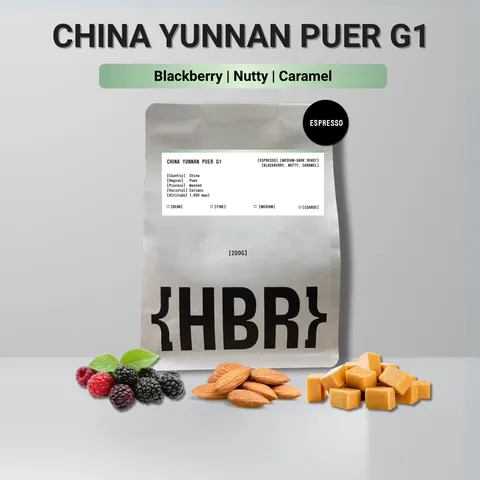
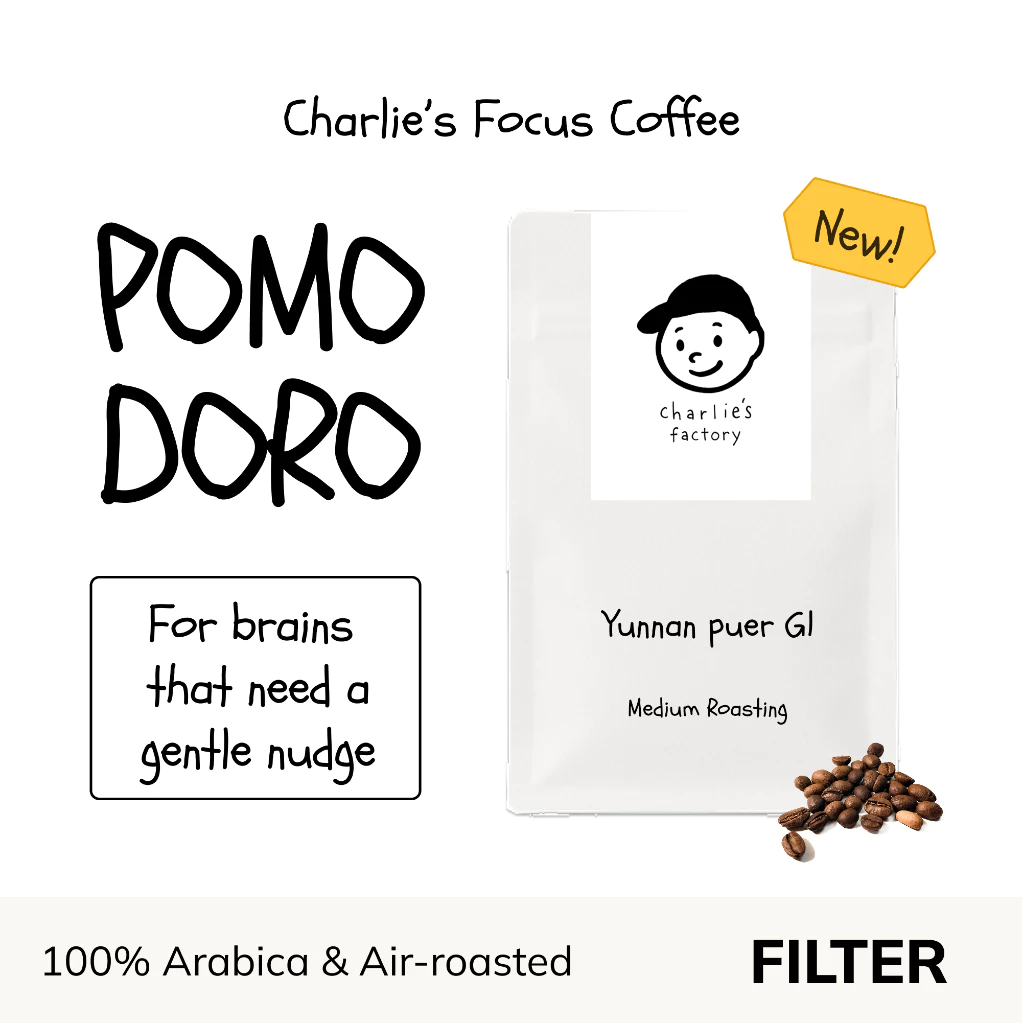
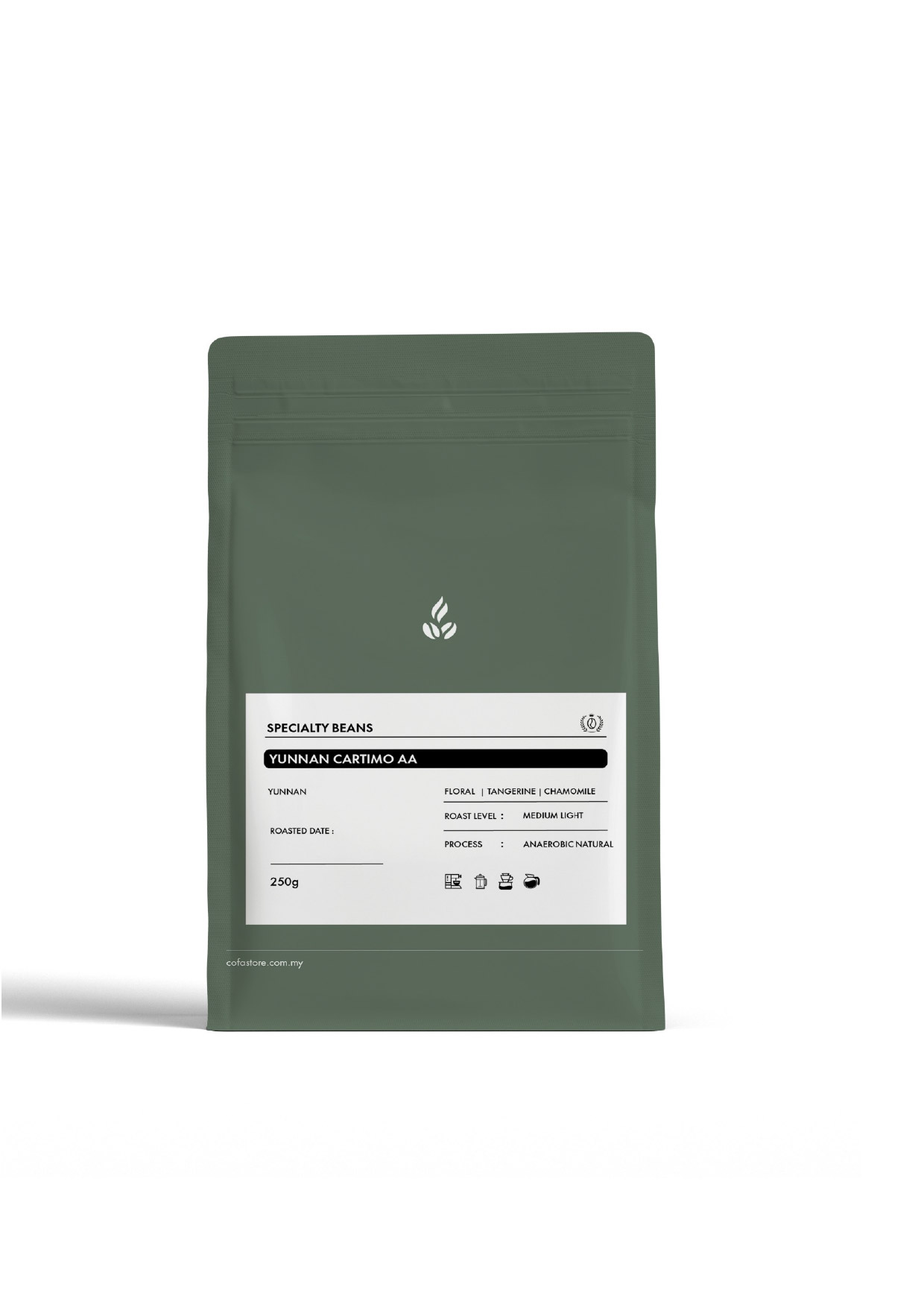
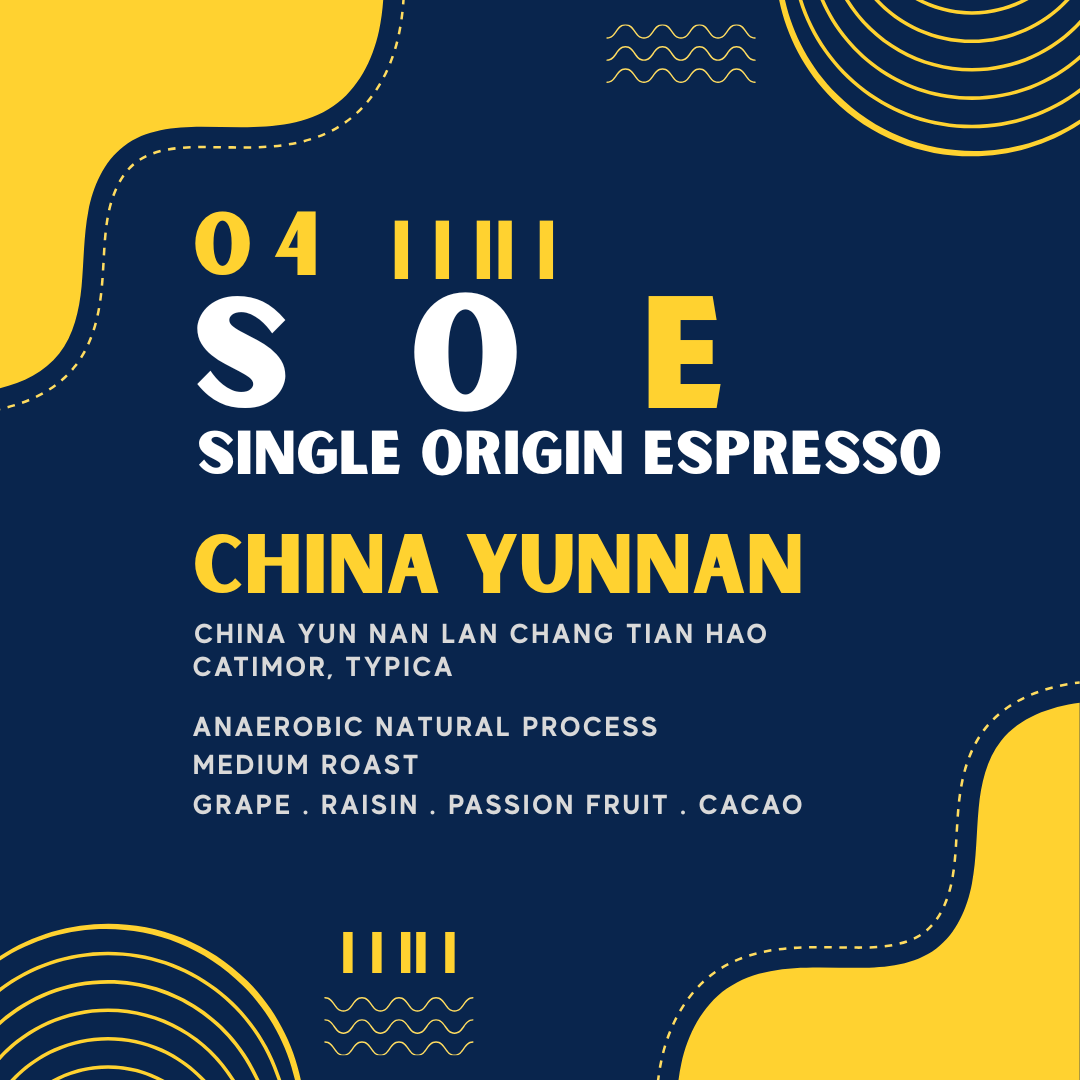
Pu'er, Baoshan, Lincang and Dehong lots from Malaysian roasters.
China grows coffee — and almost all of it comes from Yunnan, the southwestern province bordering Myanmar, Laos and Vietnam. These beans are still a relatively new conversation in Malaysia, but the quality has moved fast in the last decade, and the bags are worth your attention.
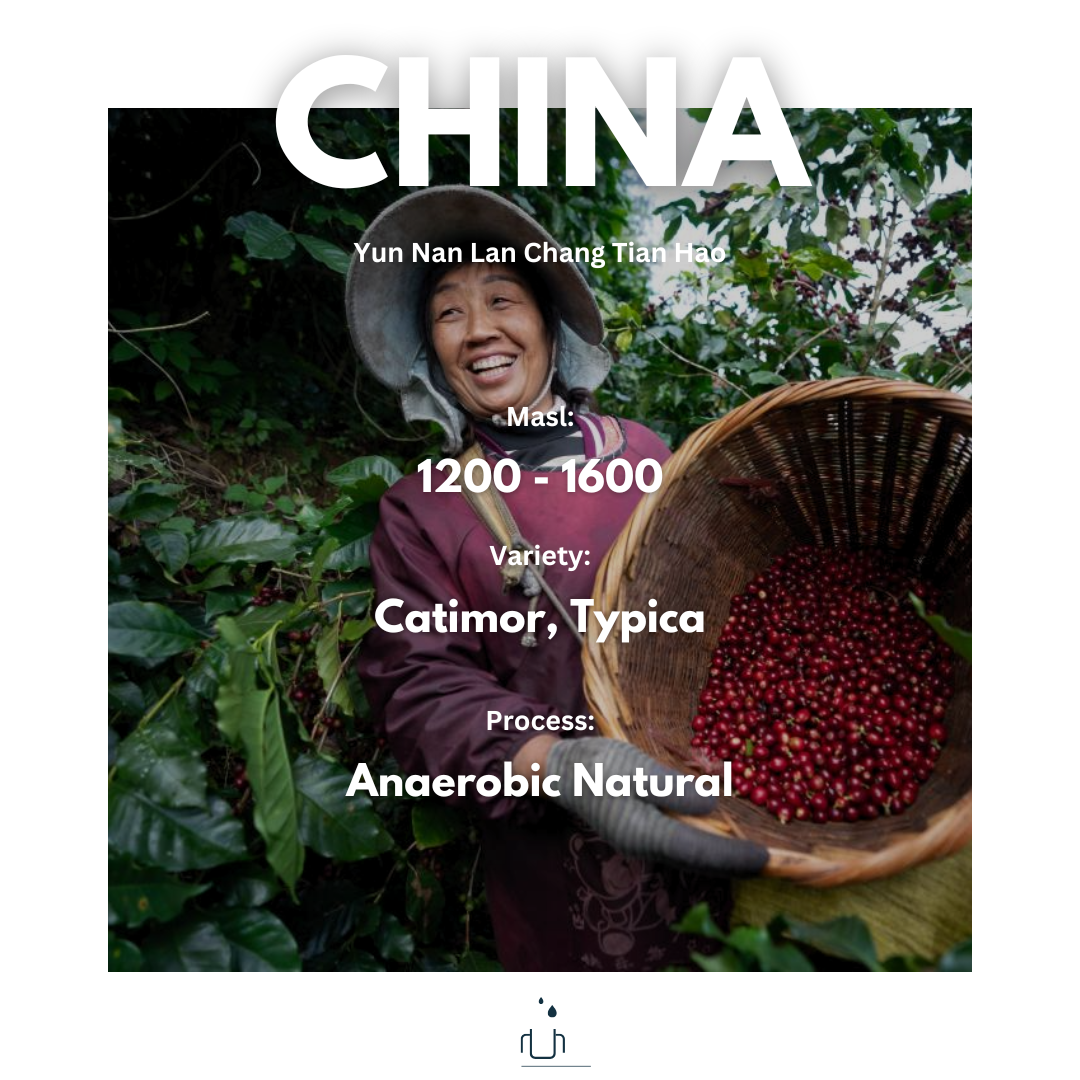
Most production sits in Pu'er, Baoshan, Lincang and Dehong — monsoon rainfall, a cool dry winter, and slow-ripening cherries. The dominant varietal is Catimor (introduced in the 1980s for disease resistance), but you'll increasingly see Bourbon, Typica and even Geisha lots from the better farms.
The classic Yunnan profile leans nutty, gently sweet and earthy — roasted almond, dark chocolate, brown sugar, dried longan, and sometimes a soft black tea finish.
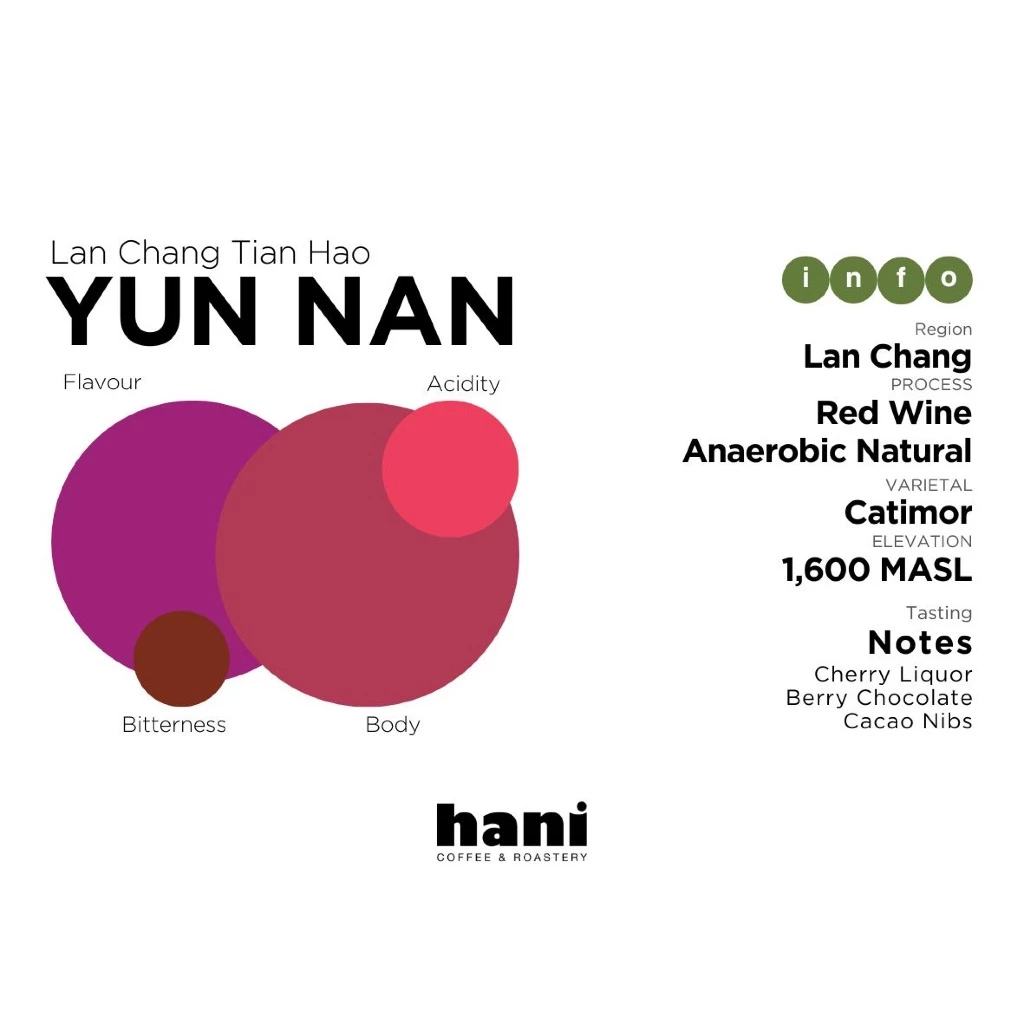
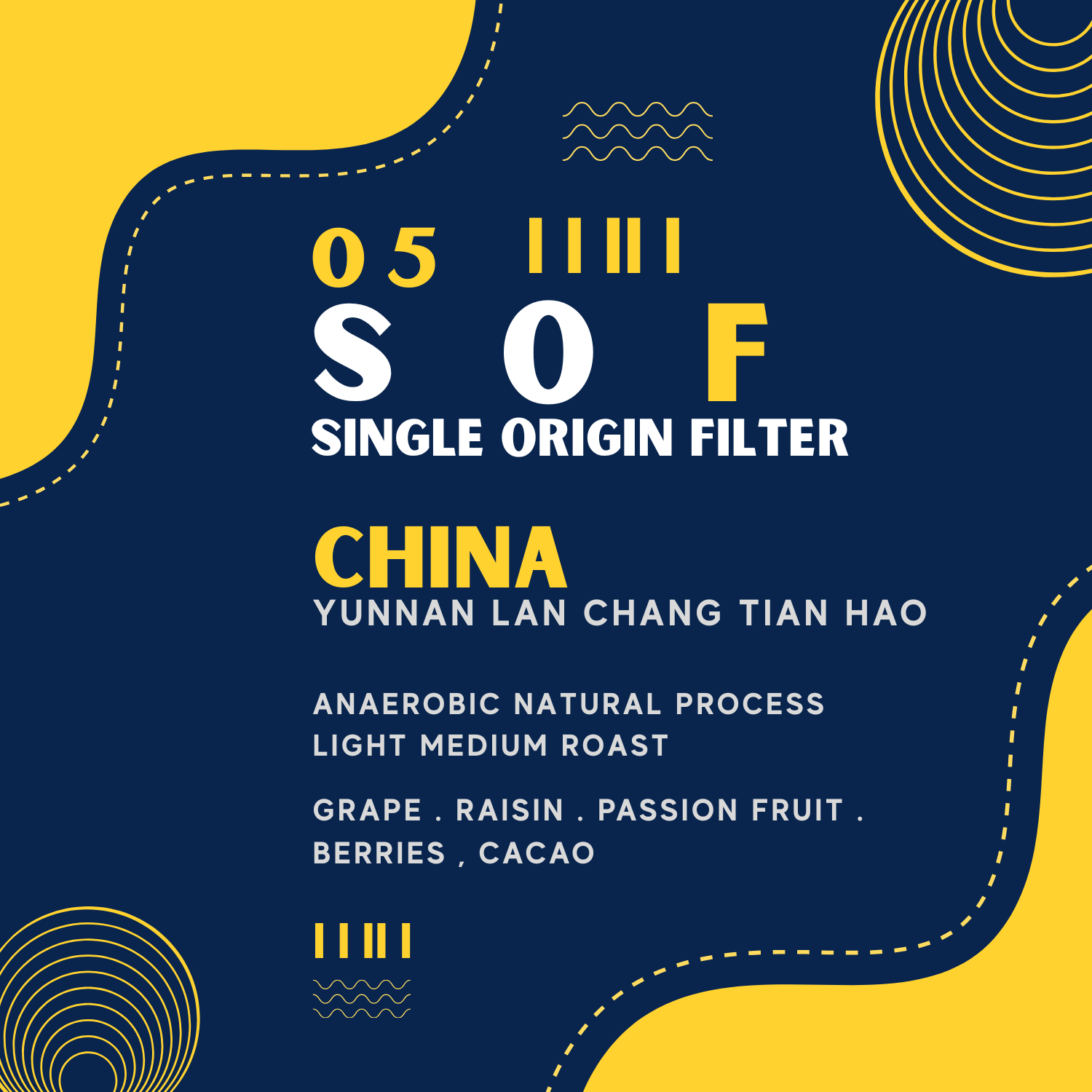
Newer washed and anaerobic lots from Baoshan and Pu'er push toward stone fruit, citrus and floral notes that genuinely surprise people who think they know what Chinese coffee tastes like. Farms like Manlao, Manhanmu and Lao Zhai are running ambitious experimental ferments at prices still gentler than Panama or Colombia equivalents.
It's also one of the closest origins to Malaysia geographically — so freshness and shipping usually work in your favour.