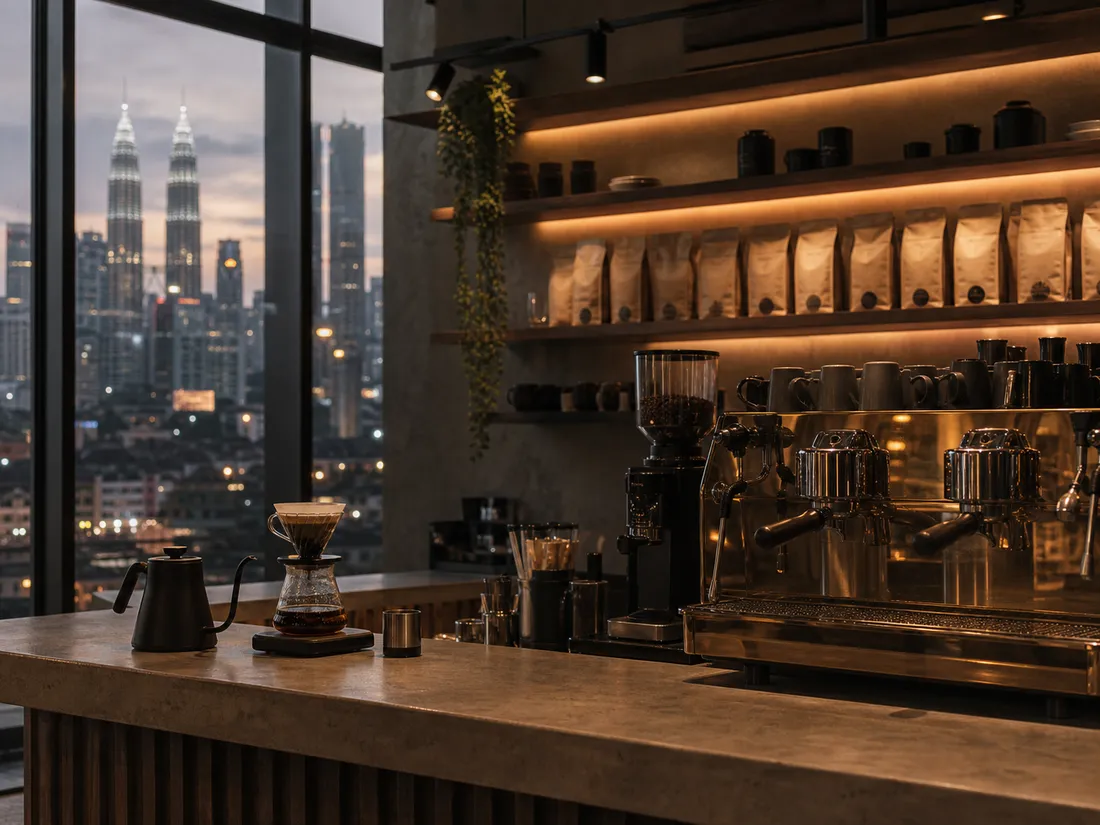
If you live in or around Kuala Lumpur, you are in the best-supplied part of the country for specialty coffee beans. The hard part is not finding a roaster. It is knowing which of the many options to choose, and how to buy in a way that gets you fresh coffee. This guide covers both.
KL's specialty coffee scene
Kuala Lumpur's specialty coffee scene has grown quickly over the last decade. What used to be a small group of pioneer roasters is now a dense, competitive ecosystem, and the beans coming out of it hold their own internationally. For a home brewer, that competition is good news — it means more single-origin choice, more processing experiments and more roasters packaging retail bags rather than only supplying cafés.
It also means KL is a sensible place to learn. You can buy a washed Ethiopian and a natural Brazilian from two different KL roasters in the same week and taste the contrast for yourself. For a fuller picture of the scene, the Malaysia specialty coffee guide sets out how the national scene fits together.
The other thing worth knowing is that KL's scene is roaster-led. A lot of the businesses here exist primarily to roast and sell beans, not just to serve coffee at a counter. For a home brewer that is exactly what you want, because it means retail bags, roast dates and origin information are treated as the main product rather than an afterthought.
Where home brewers actually buy beans
There are three common routes, and most KL home brewers mix all three depending on what they want.
Three ways to buy in KL
- Direct from the roastery: in person or through the roaster's own website. Usually the freshest stock, and the most direct way to support the roaster.
- Online marketplaces: convenient, with many roasters in one checkout, though stock can sit longer before it ships.
- A directory like The Beans Hub: browse beans from KL roasters next to roasters from the rest of Malaysia, filter by taste and roast style, then order from the roaster.
If you would rather start from a curated list of roasters, our guide to the best specialty coffee roasters in Kuala Lumpur walks through them area by area.
The main roaster areas
KL's roasters are not evenly spread. A few areas carry most of the scene, which is useful to know if you would rather collect beans in person than wait for delivery.
Bangsar and Damansara have a long-established cluster of roasters and cafés. TTDI and Mont Kiara have their own steady group, including roasters known for more adventurous sourcing. Move out to Petaling Jaya and Subang and the scene continues — we cover that side separately in the PJ and Selangor guide, since the Klang Valley really works as one connected coffee region.
You do not have to live next to a roastery, though. Almost every KL roaster ships, so treat these areas as a starting point rather than a limit.
What KL roasters are known for
KL's roasters are not interchangeable, and getting a feel for what each one does well is part of the fun. Some focus on classic, dependable single origins — the kind of washed Colombian or Brazilian you can brew every morning without thinking. Others lean into more adventurous sourcing, including unusual processing methods and collaborative lots you will not see anywhere else. A good number also champion Malaysian-grown liberica alongside their imported arabica.
For a home brewer, the practical advice is to try a few roasters rather than settling on the first one. Each roaster has a house style — a way they tend to roast — and finding one whose style matches your taste is worth more than chasing any single bag. The Kuala Lumpur roaster guide is a good place to see the range, and the guide to independent versus commercial roasters explains what separates a serious roaster from a brand.
Freshness and delivery
Freshness is the one thing worth being slightly fussy about. Roasted coffee is at its best within roughly two to four weeks of the roast date. After that it does not go bad, but the aromatics fade and the cup flattens. Whole beans hold up far better than pre-ground coffee, so buy whole beans and grind them just before you brew.
Buying directly from a KL roaster's website usually gets you the freshest possible bag, often roasted to order or within a few days of dispatch. Within the Klang Valley, delivery is typically fast, and most roasters ship nationwide if you are buying KL beans from elsewhere. One small habit helps: buy in quantities you will actually finish inside a month, rather than stocking up. A fresh 250g bag beats a kilo that goes stale halfway through.
When you are choosing a bag, the 2026 buying guide covers what else to check beyond the roast date, and if you would rather order from outside the Klang Valley, our guide to buying coffee beans online in Malaysia walks through judging freshness when you cannot see the bag.
📍 Ready to browse?
See what KL roasters are putting out right now in the full coffee bean catalogue, filtered by the taste and roast style you brew.
Frequently Asked Questions
Where can I buy specialty coffee beans in KL?
You can buy specialty coffee beans in KL directly from roasteries in areas like Bangsar, Damansara, TTDI and Mont Kiara, through their own websites, through online marketplaces, or through a directory like The Beans Hub that lists KL roasters alongside roasters from the rest of Malaysia.
Which KL areas have the most specialty coffee roasters?
The roaster scene is densest around Bangsar and Damansara, TTDI and Mont Kiara, and the wider Klang Valley including Petaling Jaya and Subang. Our Kuala Lumpur roaster guide breaks these down by neighbourhood.
Can I get KL-roasted coffee beans delivered?
Yes. Most KL roasters ship nationwide and many deliver within the Klang Valley quickly. Buying directly from the roaster's own site usually gets you the freshest stock, often roasted within days of dispatch.
How fresh should coffee beans be when I buy them?
Look for a roast date on the bag and aim to brew the coffee within roughly two to four weeks of that date. Whole beans stay fresher than pre-ground, so buy whole and grind just before brewing if you can.