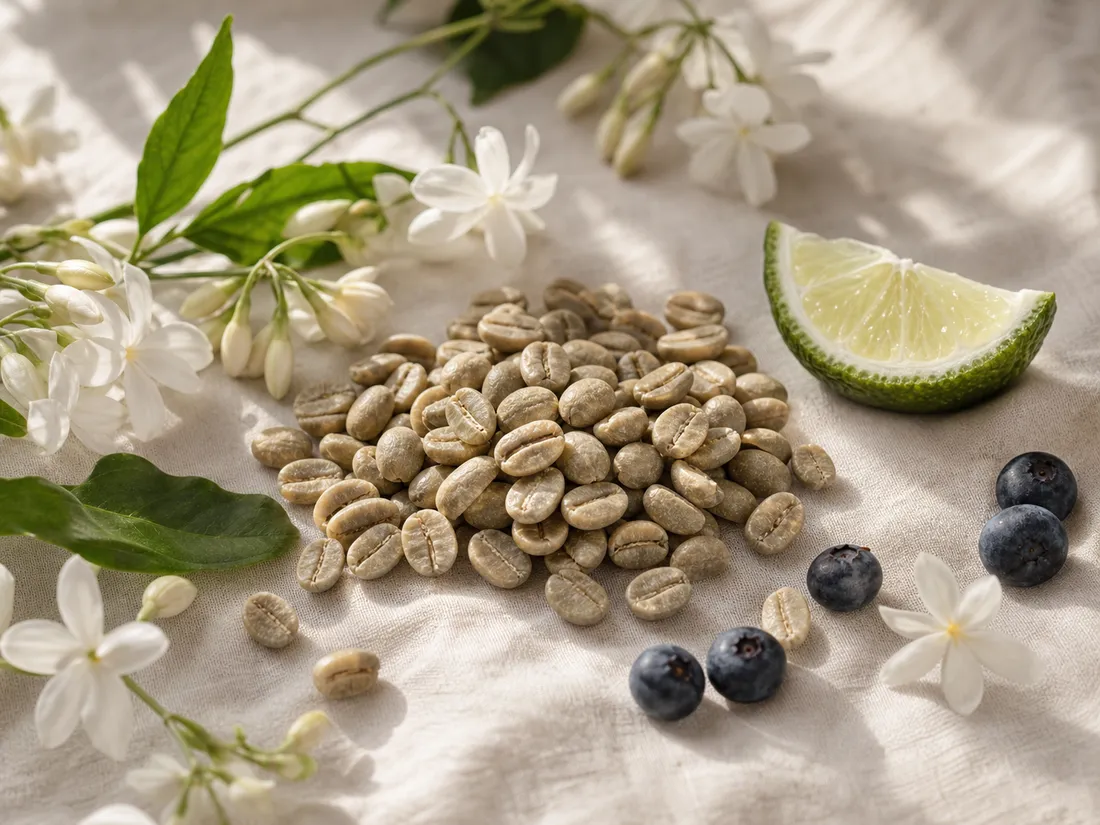
The first time I had a Yirgacheffe, I did not have the right vocabulary for it. I just knew it did not taste like the coffee I was used to drinking. It was lighter, cleaner, and somehow more expressive, even though I would not have used that word back then.
The barista told me it had floral notes, and someone who's not used at expressing my thoughts when in unclear situations, I just nodded my head. In my mind, I was thinking what the hell is he talking about? Floral notes meants flowers, right? But...is this the taste of flowers?
What is Ethiopia Yirgacheffe coffee?
Yirgacheffe is not a brand, and it is not some fancy roast style either. It is a coffee-growing area in Ethiopia, and in coffee, place matters much more than most people think. Coffee is agricultural produce at the end of the day, so where it grows changes how it tastes.
Ethiopia matters even more because it is widely recognised as the birthplace of Arabica coffee. So when people get excited about Ethiopian coffee, there is history behind that excitement, not just branding. Yirgacheffe is just one of Ethiopia's great regions — if you want the bigger picture, our guide to Ethiopian coffee beans by region maps how Yirgacheffe, Sidamo, Guji and Harrar each taste, with beans to shop under each.
Ethiopia Yirgacheffe at a glance
- Country: Ethiopia
- Region: Yirgacheffe, in southern Ethiopia
- Typical altitude: High-grown, often around 1,700m to 2,200m
- Common flavour profile: Floral, citrusy, tea-like, clean, bright
- Best brew methods: Pour-over, drip, AeroPress, filter coffee
- Who usually likes it: People who enjoy lighter, more delicate coffees
Why Yirgacheffe tastes so different
A lot of that character comes from altitude. Coffee grown at high elevations usually develops more slowly, and slower development often means more complexity in the final cup. The beans become denser, and the flavour tends to feel more layered and more precise.
That is why Yirgacheffe often gets described with words like jasmine, bergamot, lemon, peach, tea-like, or soft florals. These descriptions can sound a bit dramatic if you are new, but the point is not that the coffee literally tastes like perfume or fruit juice. The point is that it feels brighter, cleaner, and more aromatic than the heavier chocolatey coffees many people start with.
Simple way to think about it
If Brazil feels like chocolate cake, Ethiopia Yirgacheffe often feels more like citrus tea with coffee hiding inside it. It's lighter and more expressive.
What does Ethiopia Yirgacheffe taste like?
If I had to explain the common characteristics in plain English, I would say Yirgacheffe usually tastes light on the tongue, smells quite pretty, and finishes clean. It does not sit heavy in your mouth, and it usually does not hit you with that bold smoky roast taste either. That means you cannot eat something spicy or heavy and drink this without cleaning your palate.
If tasting language still feels abstract, our guide to reading coffee flavour notes will help. The most common tasting notes you will see are:
- Floral: jasmine, white flowers, tea-like perfume
- Citrus: lemon, bergamot, orange peel
- Stone fruit: peach, apricot, sometimes soft tropical fruit
- Sweetness: honey, sugarcane, light syrupy sweetness
- Body: usually light to medium-light, often described as tea-like
- Acidity: bright and lively, sometimes the part beginners call “sour”
Of course not every Yirgacheffe will taste exactly the same, because coffee is still affected by harvest, producer, process, roast, and brew method. But if a bag says Ethiopia Yirgacheffe and the roaster did not roast the life out of it, these are usually the kinds of things you can expect.
Washed vs natural Yirgacheffe
This is one of the first useful distinctions to know, because two Yirgacheffes can taste very different depending on processing.
Washed Yirgacheffe
Washed lots are usually the cleanest and most classic expression of Yirgacheffe. They often feel floral, bright, elegant, and very structured. This is the version people usually mean when they talk about jasmine, citrus, and tea-like Ethiopian coffee.
Natural Yirgacheffe
Natural lots are dried with the fruit still attached before the bean is processed out. That usually gives you more fruit, more sweetness, and sometimes more berry-like or jammy notes. It can feel a little fuller and louder, and sometimes easier for newer drinkers to notice.
| Style | What it usually feels like | Who may like it more |
|---|---|---|
| Washed Yirgacheffe | Cleaner, brighter, floral, tea-like, elegant | People who enjoy clarity and subtlety |
| Natural Yirgacheffe | Fruitier, sweeter, sometimes berry-like, slightly fuller | People who want a more obvious and fun profile |
Why is Ethiopia Yirgacheffe expensive?
This is the part a lot of people ask about, and the short answer is that there are real reasons behind the price.
First, Yirgacheffe is generally grown at high altitude, and farming at higher elevation is harder work with lower yield. Second, a lot of Ethiopian coffee still involves careful picking and sorting, which increases labour. Third, Yirgacheffe has one of the strongest reputations in specialty coffee, so demand is consistently high. When demand is high and supply is limited, price naturally moves up.
There is also the simple fact that people are not only paying for beans. They are paying for traceability, careful processing, export logistics, roasting losses, and the fact that a good Yirgacheffe is difficult to replace with something else. It has its own identity, and identity always commands a premium.
Why people who are deep into coffee love Yirgacheffe
I think the reason coffee people keep talking about Yirgacheffe is because it shows that coffee does not have to taste only one way. If your idea of coffee is something dark, bitter, and heavy, Yirgacheffe can feel almost disruptive or unnecessary. It tells you that coffee can also be delicate, aromatic, and transparent.
That may not sound exciting on paper, but in a cup it can be very memorable. It is often one of those coffees that makes people realise there is a lot more range in coffee than they first assumed.
Does Yirgacheffe work with milk?
You can absolutely use Yirgacheffe for milk drinks, but whether you should depends on what you want out of it. Yirgacheffe is usually delicate, and milk is not. Milk is creamy, heavy, and naturally muting, so when the two meet, the milk often wins.
That means the floral notes get softer, the citrus gets quieter, and the whole cup can feel less distinct. It does not become bad, but it does become less recognisably Yirgacheffe.
If you want to really understand why people like this origin, filter coffee is usually the better way to start. If you only drink latte and you like it that way, that is still your drink. Just know that you are hearing only part of the song.
Best brew methods for Ethiopia Yirgacheffe
Yirgacheffe usually shines most in brew methods that highlight clarity rather than body. That is why it is so often recommended for pour-over. A V60, Kalita, Chemex, drip machine, or even an AeroPress with a cleaner recipe can all work very well.
- Pour-over: usually the best for clarity, florals, and citrus
- AeroPress: can be very good if you want brightness with a bit more body
- Drip coffee: a practical daily method that still shows a lot of character
- Espresso: possible, but often more demanding and less forgiving
- Latte: possible, but many of the delicate notes will get covered by milk
Why Yirgacheffe can taste sour to beginners
This part is worth saying clearly, because many beginners try an Ethiopian coffee and immediately think it's a waste of money. Because there's no strong taste or anything that "stands out" in some way because filter coffee are generally lighter. Yirgacheffe often has higher perceived acidity, and if you are used to darker roasts or traditional kopi, that brightness can register as sourness.
Sometimes it really is under-extracted and genuinely sour, but sometimes it is just bright coffee doing bright coffee things. The more cups you drink, the easier it becomes to tell the difference between “this is badly brewed” and “this is just a lively Ethiopian profile.”
Very honest beginner note
If you mostly drink latte, dark roast, or traditional kopi, you might not fall in love with Yirgacheffe immediately. That does not mean your taste is wrong. It just means your frame of reference is different for now.
Who should try Ethiopia Yirgacheffe?
I would recommend Yirgacheffe to anyone who feels curious about what coffee can taste like outside the usual chocolate-nut-caramel zone. It is a great next step if you are bored of heavier coffees and want something lighter, cleaner, and more aromatic.
I would not say everyone must like it. If you dislike acidity, only drink milk-based coffee, or want something punchy and low-risk every morning, Yirgacheffe may not be your everyday bean. But if your mouth is already itchy and you want to explore, this is a very good place to start.
Final thought
I do not think Yirgacheffe is better coffee. I just think it is one of the clearest reminders that coffee can be more varied than most of us first imagine. Some days you want something bold and heavy. Some days you want something bright and transparent. Neither choice is more correct than the other.
What Yirgacheffe does really well is make you pause. It slows you down just enough to notice that coffee can carry place, climate, process, and personality into the cup. And once you notice that, it becomes difficult to go back to thinking all coffee tastes the same.
12 Ethiopia Yirgacheffe coffee beans to try
These are all sourced from Malaysian specialty roasters and available online. Yirgacheffe shines brightest on a V60 or pour-over — our coffee brewing methods guide covers how to get the most from filter brewing at home. Sorted roughly by price so you can find something that fits your budget and taste.
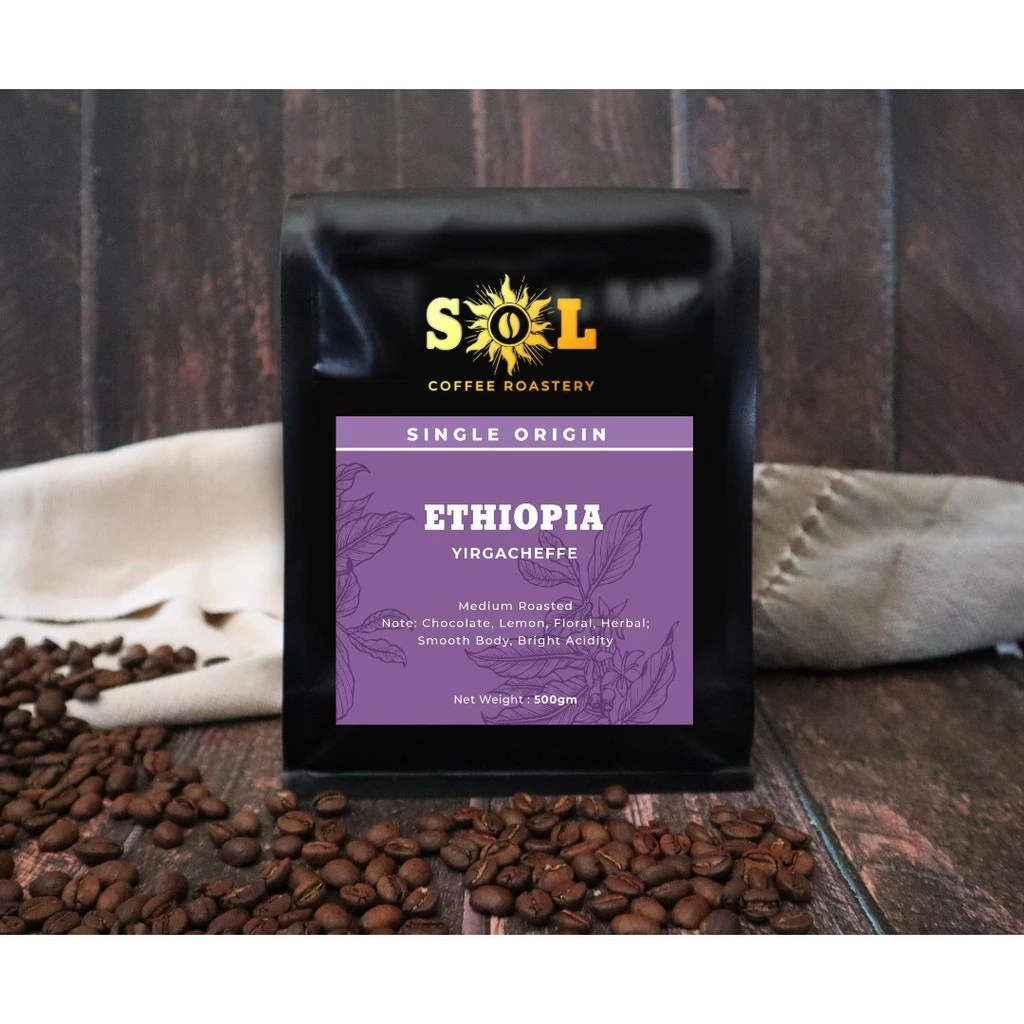
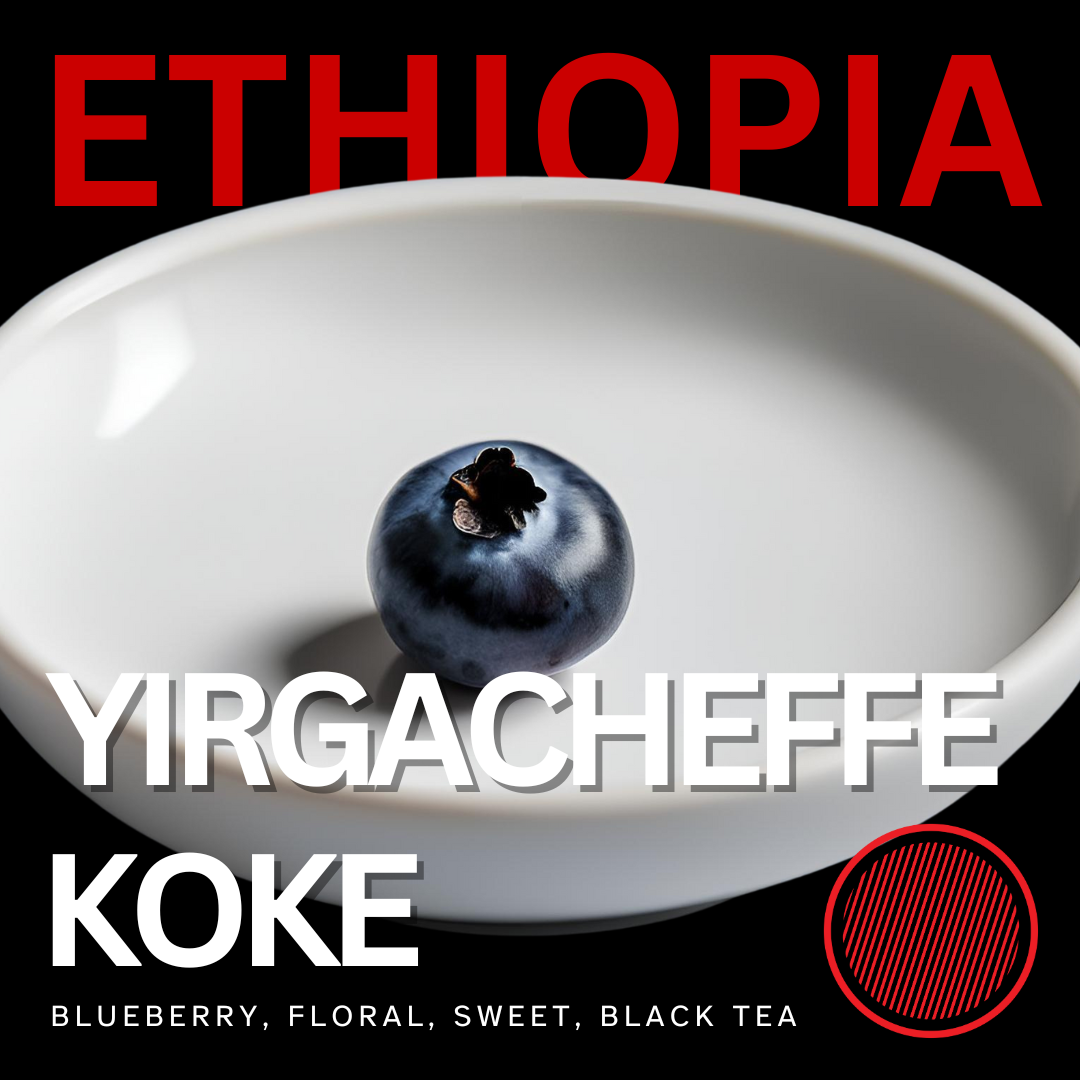
Ethiopia Aricha Wubanchi G1

Ethiopia Gedeo Yirgacheffe Konga Amederaro G1
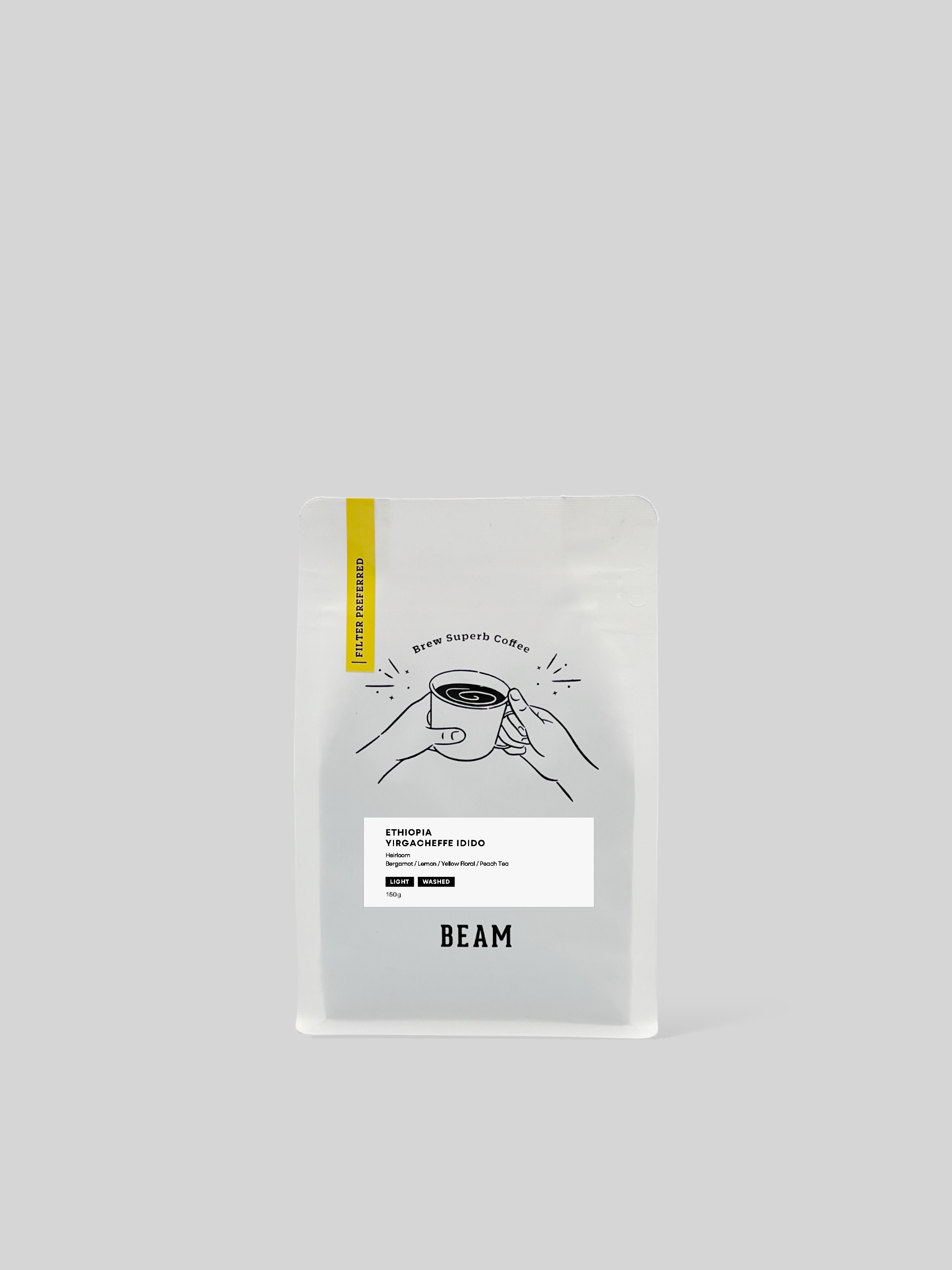
Ethiopia Yirgacheffe Idido Heirloom Washed

Ethiopia - Yirgacheffe Lalesa Washed

Ethiopia Yirgacheffe Buduksa AMA Bezabesh S.D. Natural
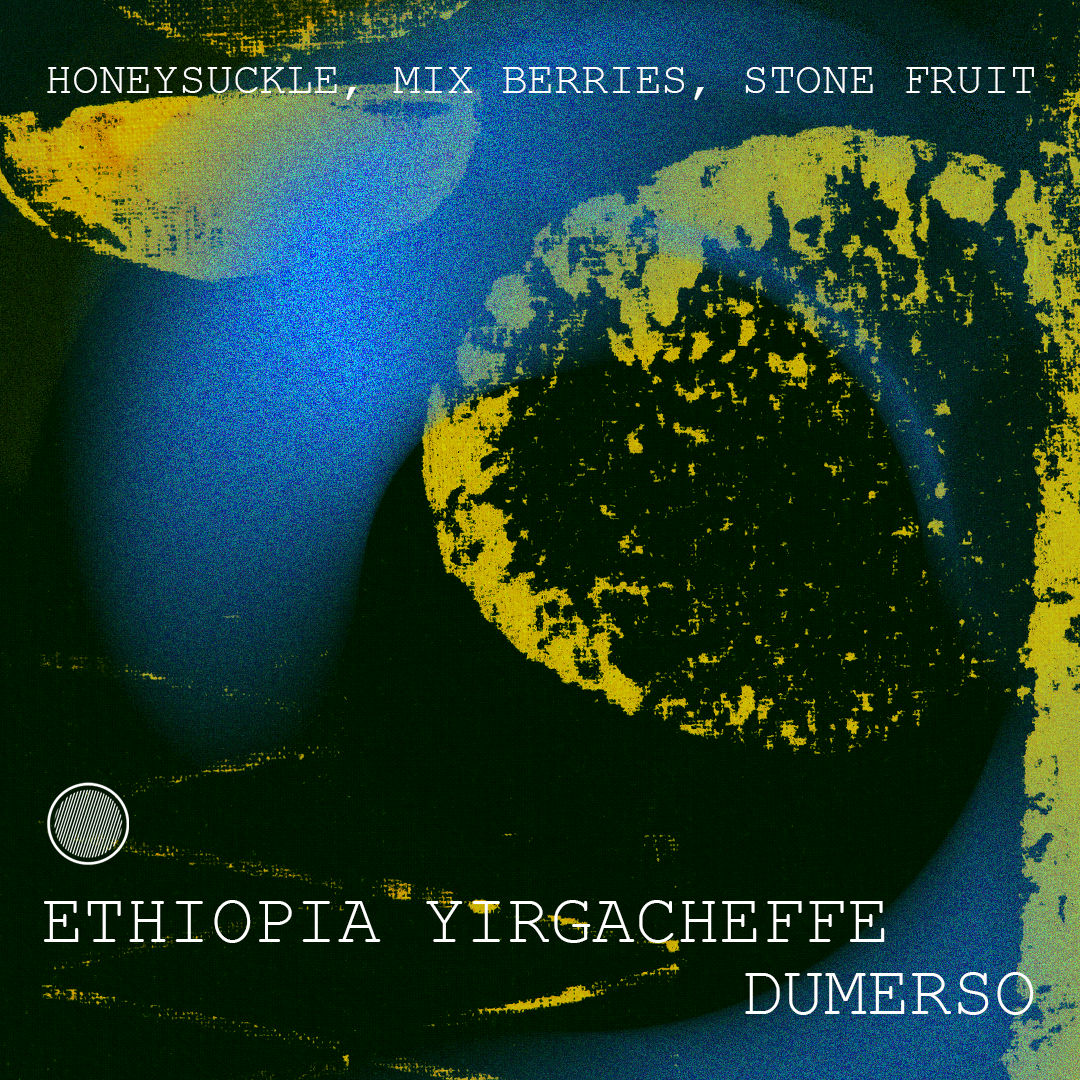
ETHIOPIA YIRGACHEFFE DUMERSO

Ethiopia Yirgacheffe Worka "Queen Berry"

Ethiopia Yirgacheffe Gedeb Lalesa

